Save the Filters Before the Lake Dies: Why Gilsar and Khushalsar Demand Urgent Conservation
Manzoor Wangnoo
Gilsar and Khushalsar, the two kidneys of Dal and Nigeen, demand urgent action-based conservation.
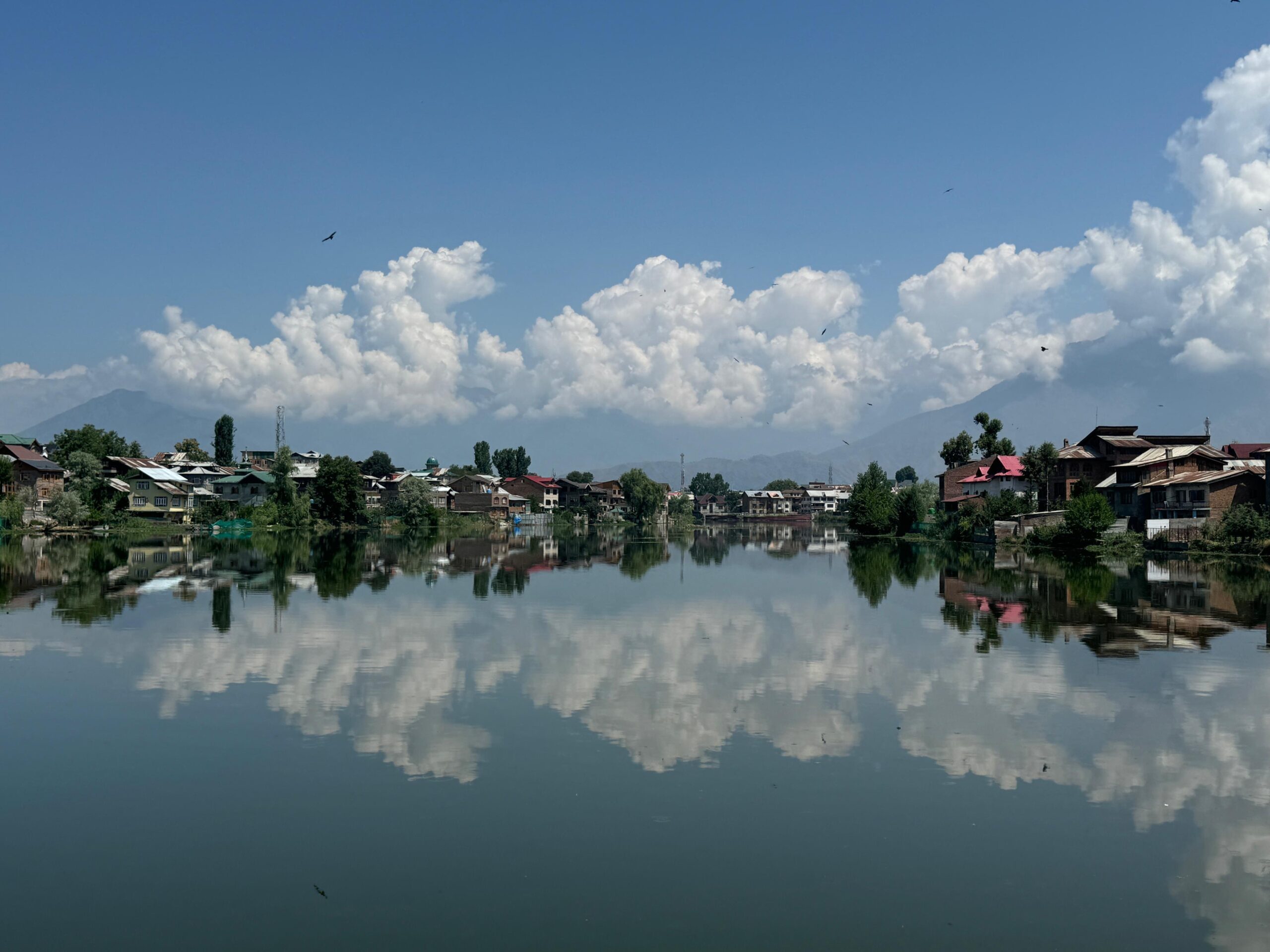
Gilsar and Khushalsar are often referred to as the kidneys of Dal and Nigeen. These lakes receive inflow from Dal and Nigeen, besides surface water, runoff, and now sewage as well. Their health directly determines the longevity of the main lakes. Gilsar and Khushalsar act as kidneys, filtering what enters the core water bodies. If these two are ignored, Dal and Nigeen will continue to degrade.
Why These Lakes Matter
Gilsar and Khushalsar regulate the water circulation of Dal and Nigeen.
They help balance urban flooding risk.
They maintain hydrological continuity from Tailbal Nallah up to Anchar and beyond via Dal and Nigeen.
They support local ecology, livelihoods, and future tourism potential.
Where Things Stand
NLCO’s (Nigeen Lake Conservation Organisation) Mission Ehsaas brought these lakes back into public attention. Large-scale muck removal was initiated through civil society efforts under the mission. The Hon’ble Prime Minister acknowledged the mission, and the Hon’ble Lieutenant Governor inaugurated Phase 4 of the restoration. The government handed the lakes over to LCMA and initiated mechanical dredging.
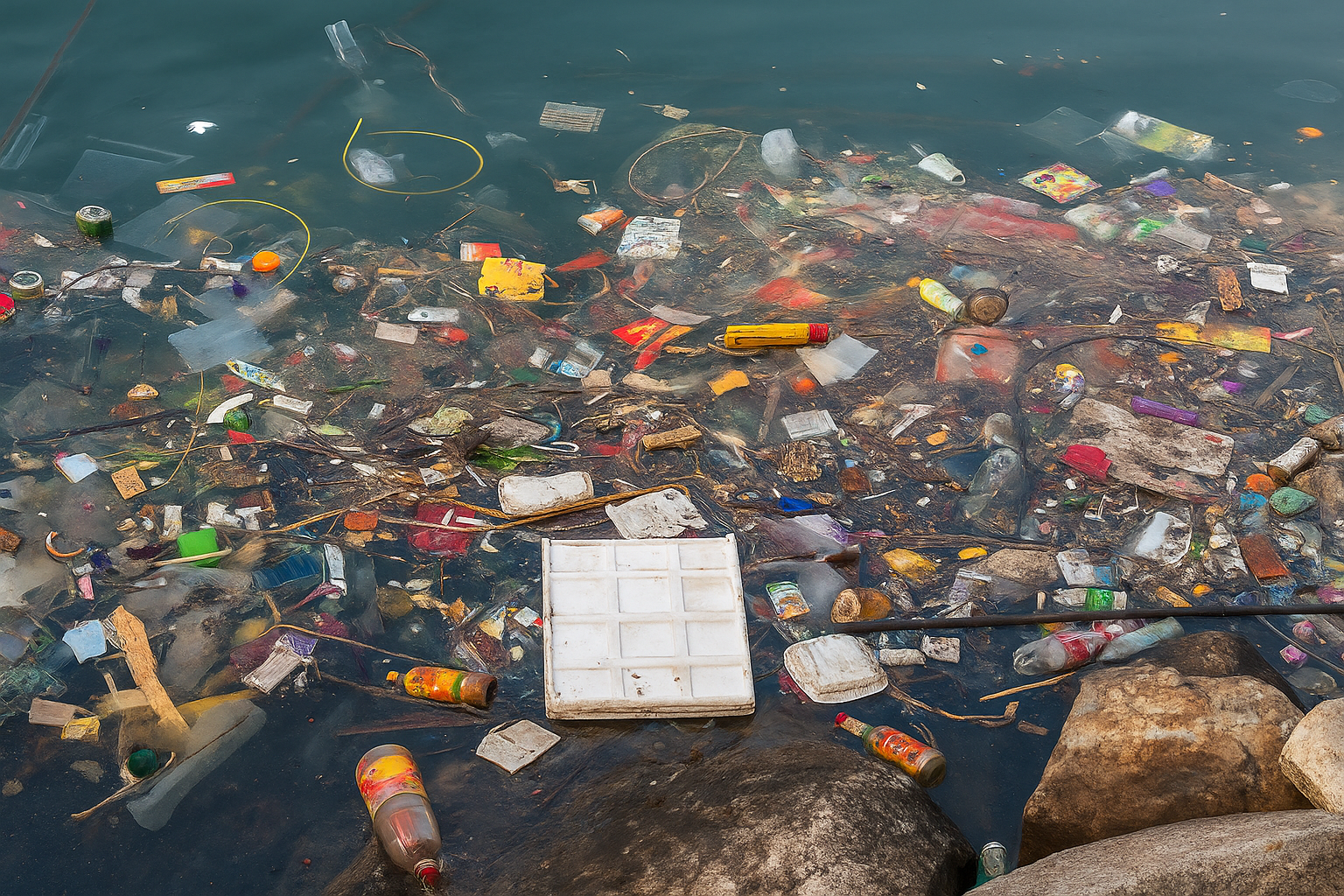
However, ground-level progress has slowed. Muck lifted from the lakes remains dumped roadside, waiting days to be cleared. Drains remain unconnected to sewage treatment systems. Obstructions continue to block water flow. Sustainable ecological intervention has not yet replaced surface-level cleanup.
Visible change is evident where interventions were made, especially under Mission Ehsaas by NLCO, with the support of the administration, LCMA, SMC, and other agencies. The transformation of Khushalsar and Gilsar demonstrates improvement in water circulation and weed removal. However, progress remains uneven. Work often slows due to gaps in continuous muck lifting, disposal, and follow-up dredging. The result is temporary relief instead of lasting regeneration.
Action must now shift from cosmetic cleaning to structured conservation.
Required Immediate Steps
• Deploy high-capacity muck-lifting machines at Gilsar and Khushalsar without interruption.
• Establish routine disposal logistics to avoid accumulation.
• Conduct perimeter desilting and restore natural water channels for inflow and outflow.
• Introduce scientific ecosystem restoration, including controlled wetland rehabilitation.
• Implement strict monitoring of pollution sources. No untreated discharge should enter these lakes.
• Engage local residents and tourism stakeholders through awareness and vigil groups.
• Integrate both lakes into the official tourism map to encourage accountability through exposure.
• Include Gilsar and Khushalsar in the broader tourism village concept to promote responsible ecological tourism.
The Way Forward
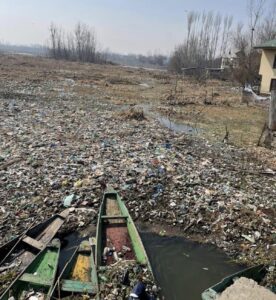
Restoration cannot be episodic. It must be continuous, scientifically led, and supported by sustained administrative intervention. Community engagement remains key, but without government-backed execution, progress will not be sustained.
These lakes lie in the heart of old Srinagar and carry immense cultural and ecological significance. Reviving them will directly uplift tourism, livelihoods, and resilience against urban flooding.
Government agencies, including LCMA, SMC, Irrigation and Flood Control, and the District Administration, have shown willingness. What is missing is timely coordination. Intervention must be documented, timeline-based, and reviewed fortnightly at the highest level.
Gilsar and Khushalsar do not need symbolism. They need consistent machines in the water, engineers on site, and daily follow-up. Dal and Nigeen’s future depends on what happens here. Khushalsar and Gilsar deserve the same urgency as Dal. If they fail, Dal and Nigeen will be next.
The administration has achieved success in parts. The community stands ready to support. Let us convert restoration from event-based action to sustained conservation.
Action has saved parts of Khushalsar and Gilsar. Delay will undo this progress. The next phase must focus on uninterrupted execution. Only then will Srinagar’s water system revive and sustain.
This is a call to act, not to discuss. This is not an environmental appeal, but an environmental necessity.
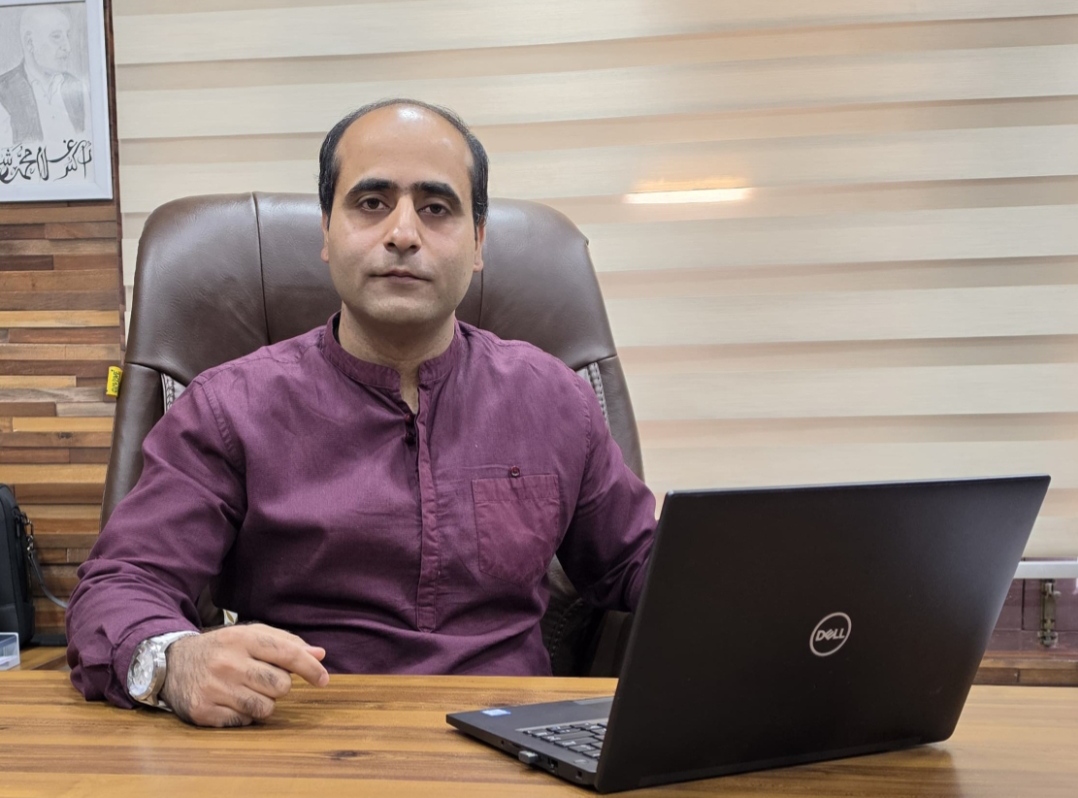
Manzoor Wagnoo is the renowned environmentalist and chairman of the Nigeen Lake Conversation Organisation.
Email: manzoorwagnoo@yahoo.com