The Evolution and Future of Civil Services: From Colonial Legacy to Modern Governance
Saima Ahad (JKAS)
Genesis in Colonial India
The foundation of India’s civil services was laid in 1923 during British colonial rule, marking a pivotal moment in administrative history. The Lee Commission of 1923–24 established the framework for what would become the backbone of governance in independent India. This system, though designed to serve colonial interests, inadvertently created an institutional structure that would later prove invaluable to the world’s largest democracy.
Birth of Constitutional Bodies
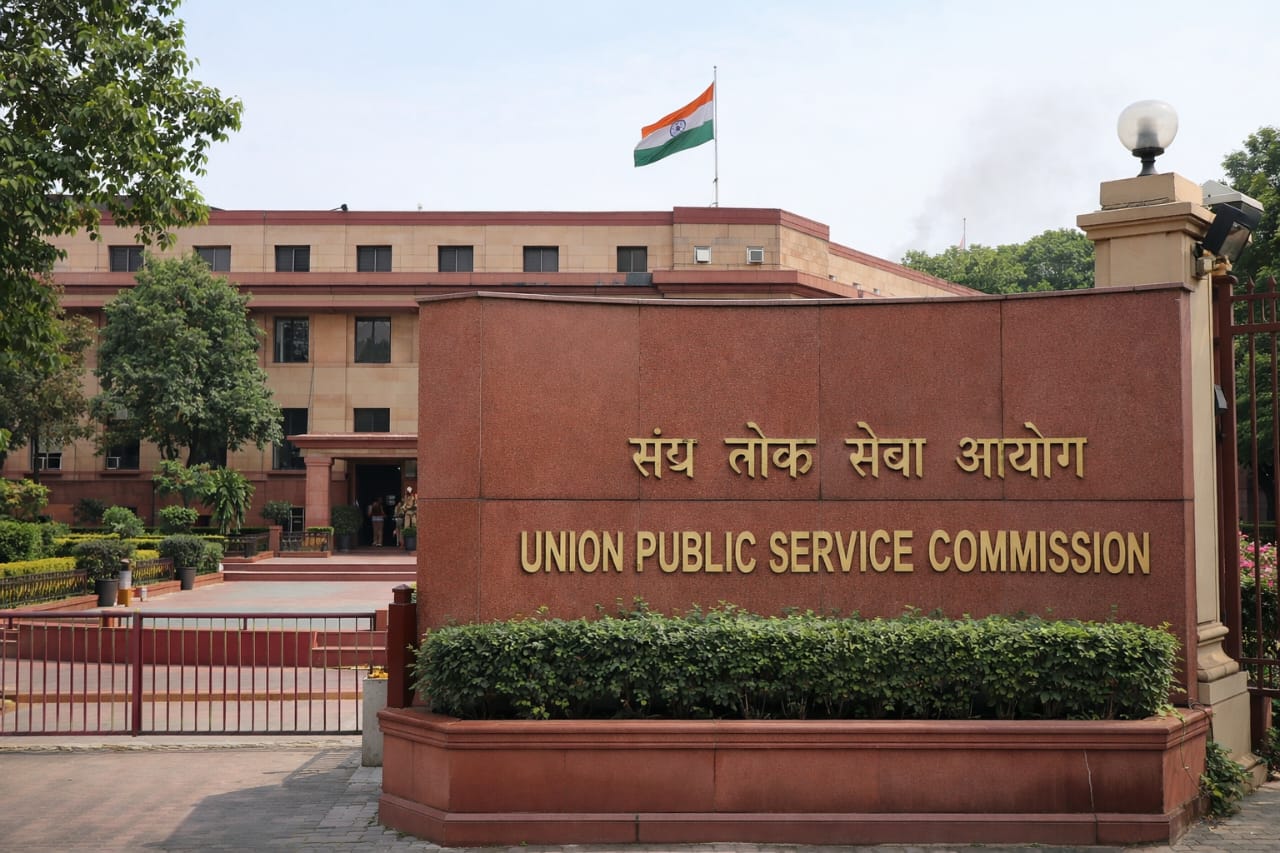
Following independence, the Constitution of India established the Union Public Service Commission (UPSC) under Article 315, transforming it from a colonial instrument into a constitutional authority. Simultaneously, State Public Service Commissions were created to conduct recruitment for state-level positions, ensuring a federal character in India’s administrative machinery. This dual structure ensured both national integration and regional representation in governance.
The Kashmir Administrative Services: A Triad of Governance
Among the state services, the Kashmir Administrative Services exemplify specialised regional administration through three crucial pillars. The Kashmir Administrative Service (KAS) forms the administrative backbone, managing district and departmental operations with officers who understand local contexts and challenges. The Kashmir Police Service (KPS) ensures law and order, internal security, and public safety in a region with unique geographical and security considerations. The Kashmir Accounts Service maintains financial integrity, ensuring transparency and accountability in public expenditure. Together, these three services create a comprehensive governance framework capable of addressing the region’s distinctive administrative requirements.
The Three-Stage Examination Process
Recruitment to these services follows a rigorous three-stage process designed to identify the best talent. The Preliminary Examination serves as a screening test, assessing general aptitude and knowledge. The Main Examination evaluates depth of understanding, analytical ability, and written expression across multiple papers. The Personality Test assesses mental alertness, critical thinking, social cohesion, and leadership qualities through face-to-face interaction.

Entry Points and Initial Postings
Upon successful recruitment, officers are appointed at the Under Secretary–level equivalent, taking up diverse field positions that form the foundation of their administrative careers. Those serving in the Secretariat act as Under Secretaries in different departments such as Finance, Estates, and Home. As Block Development Officers (BDOs), they spearhead rural development initiatives at the grassroots level. Tahsildars manage revenue administration and land records at the tehsil level. Assistant Labour Commissioners address industrial relations and labour welfare. District Social Welfare Officers implement social security schemes for vulnerable populations. Treasury Officers maintain financial discipline in government transactions. Deputy Superintendents of Police begin their careers in maintaining law and order. These varied initial postings provide officers with comprehensive exposure to governance challenges and ground realities.
Career Progression: From Implementers to Policymakers
The career trajectory in civil services follows a well-defined hierarchical progression that transforms young officers into seasoned administrators. The journey begins at the Under Secretary level, where officers implement policies and manage day-to-day operations. Promotion to Deputy Secretary brings increased responsibility in policy implementation and inter-departmental coordination. As Additional Secretaries, officers handle major policy initiatives and represent their departments in high-level meetings. The position of Special Secretary involves critical decision-making on sensitive and strategic matters. Senior positions such as Principal Secretary and Chief Secretary place officers at the apex of state administration.
This progression represents more than administrative advancement; it marks a fundamental transformation from policy implementers to policymakers who shape the future direction of governance. Officers who once executed directives at the district level eventually craft the very policies that guide administrative action across the state.
Dynamism Through the Rotation Policy
The rotation policy stands as one of the most distinctive features of civil services, ensuring that officers serve across multiple departments during their careers. An officer might begin in rural development, move to industries and commerce, then to health or education, and later to finance or home departments. This systematic exposure prevents stagnation and cultivates versatile administrators who understand the interconnected nature of governance.
The results of this rotation are transformative. Officers develop a holistic perspective on administration, recognising how decisions in one sector ripple across others. They build diverse skill sets and professional networks that enhance coordination between departments. The policy also prevents the formation of departmental silos and reduces the risk of corruption arising from prolonged associations. Most importantly, it creates administrators who are adaptable, innovative, and capable of handling complex challenges.
Cultivating Leadership and Managerial Excellence
Civil services demand a unique combination of leadership and managerial qualities that distinguish effective administrators from mere bureaucrats. Leadership in this context means the ability to inspire teams, make difficult decisions under pressure, and maintain ethical standards despite political and social pressures. Officers must navigate complex stakeholder relationships involving politicians, citizens, civil society, and other government agencies.
Managerial qualities are equally critical. Officers must demonstrate financial acumen in budget management, human resource skills in team building and conflict resolution, project management capabilities for implementing large-scale initiatives, and crisis management expertise during natural disasters or civil disturbances. Together, these attributes enable civil servants to function effectively in India’s complex administrative environment.
The Rationale Behind Age Limits
The eligibility criteria for civil services include specific age limits, typically between 21 and 32 years for general category candidates, with relaxations for reserved categories. This restriction is neither arbitrary nor discriminatory but serves several important purposes.
Youth brings energy, adaptability, and the physical stamina required for demanding field postings in challenging terrains and conditions. A long career span ensures that the government’s investment in training yields returns through decades of service. Younger officers are generally more receptive to new technologies and administrative reforms. The age limit also ensures a steady inflow of fresh talent and perspectives into the administration, preventing organisational stagnation. Most importantly, it provides sufficient time for officers to progress through various levels and gain the experience necessary for senior policymaking roles before retirement.
Lateral Entry: Promise and Challenges
Lateral entry—the recruitment of specialists directly into senior government positions from the private sector, academia, or specialised fields—represents a significant departure from traditional career progression. This mechanism aims to inject domain expertise, innovation, and fresh perspectives into governance.
The potential benefits are substantial. Specialists bring cutting-edge knowledge in areas such as technology, finance, and infrastructure that regular generalist administrators may lack. They can accelerate reforms in specific sectors and introduce private-sector efficiency and accountability practices. Lateral entrants often challenge established norms and encourage innovation.
However, the impact on service delivery remains mixed and contentious. Career civil servants express concerns about morale and reduced promotion opportunities. Questions arise regarding lateral entrants’ understanding of governmental procedures, political sensitivities, and long-term commitment to public service. The success of lateral entry depends heavily on proper integration mechanisms, clearly defined roles that complement rather than replace career officers, and ensuring that domain expertise is matched with an understanding of public-sector ethos.
Technological Transformation of Civil Services
Technology has fundamentally altered how civil services function, bringing unprecedented efficiency and transparency to governance. Digital file management systems have replaced physical files, accelerating decision-making processes. e-Governance platforms enable direct service delivery to citizens, reducing intermediaries and corruption. Geographic Information Systems assist in planning and resource allocation, while data analytics support evidence-based policymaking and programme monitoring.
The appraisal system has also evolved through technological intervention. Annual Confidential Reports have transitioned to online Performance Appraisal Reports with multi-rater feedback mechanisms. Objective metrics and key performance indicators now supplement subjective assessments. Online systems ensure transparency and reduce manipulation. 360-degree feedback, incorporating inputs from subordinates, peers, and citizens, provides a comprehensive evaluation. These improvements have made the appraisal process more objective, transparent, and development-oriented .
The Way Forward: Reimagining Civil Services
As India aspires to become a developed nation, civil services must evolve continuously to meet emerging challenges. The path forward requires reforms on multiple fronts. Appraisal systems should link performance more directly to promotions and postings, incorporate citizen feedback systematically, and establish independent evaluation mechanisms. Training and capacity-building must be continuous rather than episodic, with specialised courses in emerging areas such as artificial intelligence, climate change, and cyber governance.
The rotation policy should be refined to balance generalist exposure with opportunities for domain specialisation. Accountability mechanisms must be strengthened through faster resolution of disciplinary proceedings and protection for honest officers from frivolous complaints. Lateral entry should be carefully calibrated to complement career services while preserving institutional integrity and morale.
Above all, civil services must adopt a citizen-centric approach that views citizens as partners rather than subjects. Technology should be leveraged not only for internal efficiency but also to empower citizens through transparency and effective grievance redressal. Collaboration with civil society, academia, and the private sector should be institutionalised rather than viewed with suspicion.
The journey from 1923 to the present reflects the civil services’ remarkable adaptability and resilience. As India stands at the cusp of global leadership, its civil services must continue to evolve—combining institutional wisdom with the dynamism of innovation. Only then can they fulfil their constitutional mandate of serving the people while steering the nation towards prosperity and justice for all.
Author is a JKAS officer, currently serving as the Block Development Officer, Srinagar (South), Qamarwari.
Email: saimaahad667@gmail.com