Normal Delivery Is Possible and Pain Doesn’t Have to Decide
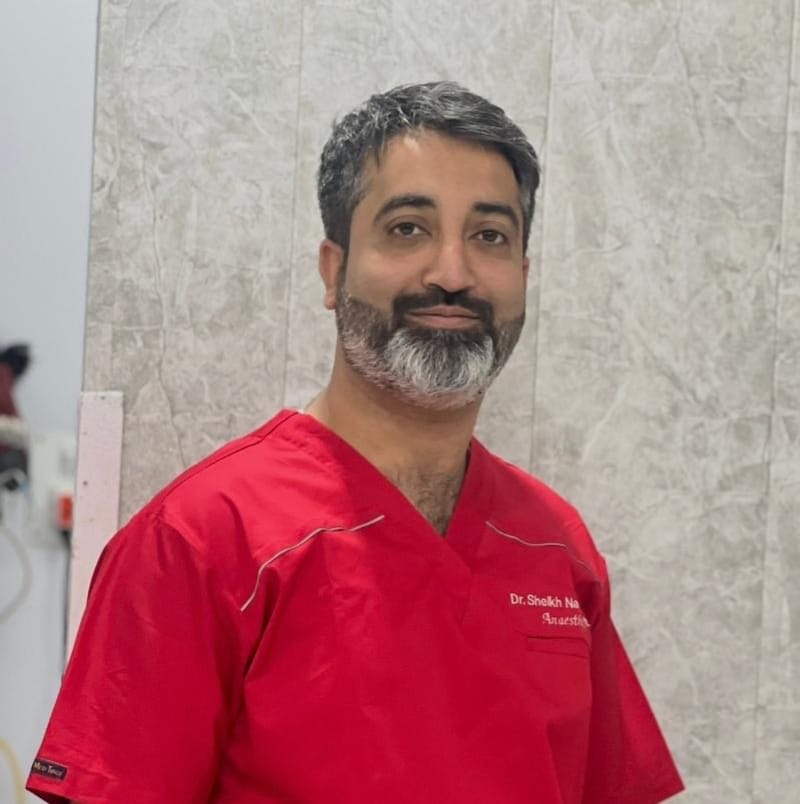
Dr. Sheikh Naveed
Anaesthesiologist
Across the world, and increasingly in our own region, more babies are being born through caesarean section. While a C-section is a life-saving surgery when medically required, many operations are performed simply because mothers fear the pain of labour.
The truth is simple: no woman should choose major surgery solely because she is afraid of pain.
And this is where an often unseen but vital specialist plays an important role – the anaesthesiologist.
Understanding the Situation in Kashmir
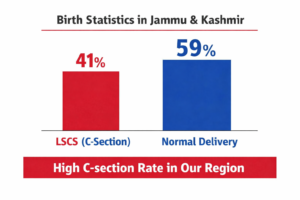
Recent data from Jammu and Kashmir show that the overall caesarean delivery rate is around 41%, almost twice the national average (≈21.5%) and far above the World Health Organization (WHO) recommended level of 10–15%.
At one of the largest maternity centres in the Valley, caesarean sections accounted for approximately 63.5% of deliveries in 2021–22, with significantly fewer normal vaginal births. Similar trends have been observed in other tertiary care hospitals in Kashmir, where LSCS deliveries outnumber normal deliveries.
These numbers raise an important question:
Are women being fully informed about safe and effective pain relief options during labour?
Labour Pain Can Be Managed Safely
There are multiple options available to reduce labour pain:
1.Natural (Non-Medical) Methods
• Breathing and relaxation techniques
• Continuous labour support
• Position changes
• Massage
• Warm showers
These help with coping but may not eliminate pain completely.
2. Medicines Given by Injection
Certain pain-relieving drugs can be given through IV or injection. These may reduce pain partially but can cause drowsiness and do not provide complete relief.
3. Inhalational Analgesia
Nitrous oxide (laughing gas) can be inhaled during contractions. It works quickly but provides only mild to moderate pain relief.
4. Epidural Analgesia:
The most effective and widely accepted method worldwide is epidural analgesia.
An epidural:
• Is not a surgery
• Does not make the mother unconscious
• Does not affect the baby’s awareness
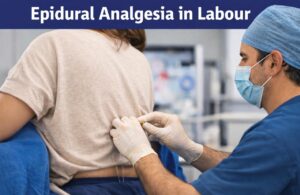
A trained anaesthesiologist places a very thin catheter in the lower back under sterile conditions. Through this catheter, small doses of pain-relieving medicine are given continuously.
The mother remains:
• Awake
• Alert
• Able to talk
• Able to push when required
• Able to see and hold her baby immediately after birth
The goal is pain relief — not paralysis.
Common Myths
Many families still believe:
• “Epidural causes paralysis.”
• “It always leads to caesarean section.”
• “It slows labour.”
Scientific evidence shows these fears are largely untrue when the procedure is properly administered.
When pain is well controlled:
• Mothers are less exhausted
• Blood pressure remains more stable
• Anxiety decreases
• Labour often progresses more smoothly
Most importantly, fewer mothers request surgery purely out of fear.
Avoiding Unnecessary Surgery
A caesarean section is major abdominal surgery. While often life-saving, it carries risks such as:
• Infection
• Bleeding
• Longer recovery
• Complications in future pregnancies
Normal vaginal delivery usually allows:
• Faster recovery
• Early breastfeeding
• Shorter hospital stay
• Lower financial burden
Surgery should always be performed for medical reasons — not because pain relief options were unavailable or misunderstood.
The Importance of Teamwork
Safe motherhood is a team effort. Obstetricians, anaesthesiologists, nurses, and paediatricians work together to ensure safe delivery.
When anaesthesia services are readily available:
• Labour pain can be safely managed
• Assisted deliveries may prevent unnecessary surgery
• Women with previous C-sections may attempt vaginal birth under supervision
• Emergencies can be handled promptly
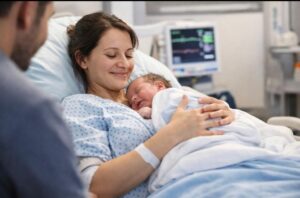
This team approach builds trust and confidence for families.
Empowering Mothers with Knowledge
Expecting mothers should feel comfortable asking:
• What are my options for labour pain relief?
• Can I plan for an epidural?
• Am I suitable for a trial of normal delivery?
The goal is not to avoid caesarean sections at any cost.
The goal is to ensure that surgery is performed only when medically necessary.
Every mother deserves:
• Respect
• Safety
• Comfort
• Choice
Normal delivery is possible for many women -and pain does not have to be the deciding factor.
Dr. Sheikh Naveed Anjum, Consultant in Anaesthesia, Critical Care and Pain Management at ESS BEE Hospital, Kupwara, is currently working at Max Hospital, Delhi. He can be reached at naveed4101987.sn@gmail.com.