The Tale of Two Worlds – Srinagar and Beyond
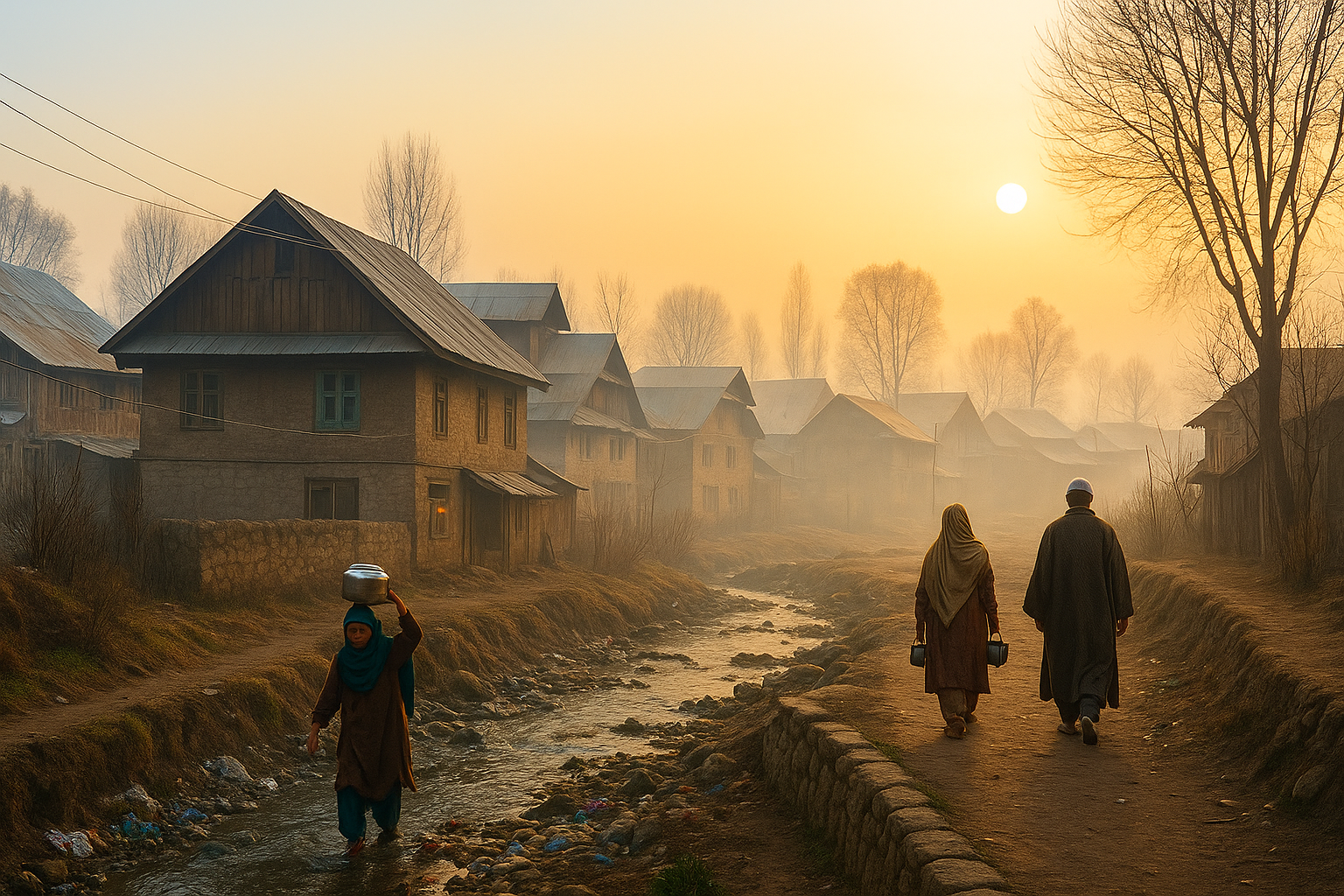
Jahangeer Jamal
Srinagar — a city where I have spent the past few years, though mostly confined to a house
and a routine route across a bridge, two narrow alleys, and a lesser-known but heavily
trafficked four-metre tunnel. In between this mindless commute, I occasionally travel to my
hometown, Kupwara.
A few days ago, I decided to take a mindful walk — eyes open this time. Suddenly, I realised
how much the city had changed. I had been blind to the developments unfolding around
me. The city has transformed into a smart one: glowing streetlights that turn tricolour,
broad footpaths alongside cycling lanes paved with polished tiles, and public bicycles you
can unlock with your smartphone.
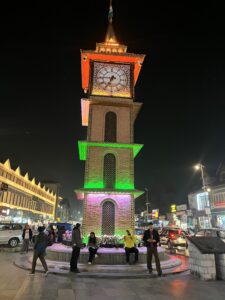
Lal Chowk has had a complete makeover. Giant digital billboards screen movies and live
cricket matches. The new clock tower has become a selfie point. Walking further along the
lush green Pratap Park and the new memorial, and onto Residency Road, I reached Polo
View Market. It left me awestruck. What a beauty, I thought. The place has been entirely
renovated — clean tiled floors, comfortable benches surrounded by flower vases, and a
Chinar tree glowing softly at the centre. A live concert was in progress, and people made
merry under the lights.
By the time I left, evening had set in. I followed the faint notes of guitar strings and the
voices of young boys singing from Zero Bridge. At first glance, the scene looked like
something straight out of a mobile wallpaper. The Jhelum below reflected and danced
along, carrying the joy forward.
Walking back, I felt something missing overhead. My curious skyward glances caught the
attention of a passer-by, who wondered what I was looking for. Then it struck me — the
jumbled wires that once hung over wooden poles were gone. I was told they’ve gone
underground now.
After visiting a few more places and witnessing more signs of development, I booked a cab
to my room through Uber. It arrived in less than a minute. Meanwhile, I ordered my favourite
chicken fried rice from Swiggy. As I stepped out of the cab, the food delivery was already
waiting at my door.
I took the parcel, turned on the lights, and sat down for dinner. Just then, the water tank
began to overflow — a small inconvenience that demanded I get up and turn it off. After
finishing my meal, I slipped under a blanket with some short stories of Franz Kafka and
plugged in the electric blower. The warmth spread across the room. I was happy and
content, and so was my city.
The weekend set In, and I decided to visit my hometown — just about sixty miles away. In
the evening, as our taxi began to leave the city, my contentment and happiness slowly gave
way to darkness. The complete absence of streetlights along the road was striking. At
times, the glare of heavy trucks and SUVs blinded us, their sharp headlights slicing through
the night. It felt like waking from a beautiful dream — into the dark of reality. The dull,
broken music playing inside the taxi was nothing like those soothing guitar notes by the
Jhelum.
I reached home around dinner time, where the meal was being set under candlelight — not
out of some cinematic inspiration, but necessity. There was no electricity, and the inverter
had long died. No electric blower after dinner, and with my phone battery fading fast, I
walked to my bedroom — disappointed and cold.
Brushing off the disappointment, I woke up in the morning and decided to take a warm
bath, but to my surprise, there was no water. The supply pipeline had been crying for repair
for months. I washed my face in the small stream flowing along the wall of my home — a
stream littered with all kinds of domestic waste due to the absence of a proper waste
disposal system.
The routine of people here Is very different. They start their day anxious about water,
making arrangements for light and warmth in the cold autumn. The day follows a natural
rhythm — it ends with the sunset. There is no Polo View-like concert, no Zero Bridge guitar
evenings, and no resting places like Pratap Park. Forget the happiness they wish for
comfortable survival.
The weekend is over, and I am in a dilemma — I feel guilty leaving this place and its people
struggling for the basics, yet my heart craves the cheerful, joy-filled life that awaits me. Why
can’t both places be the same?
I think it would be better to illuminate the whole house rather than putting all the lights in
one room. There is an urgent need to turn the torch towards the periphery. Let the city grow
smarter along with its surroundings — that will make the whole regio truly shine