Infertility in Kashmir: A Growing Health Challenge That Needs Attention

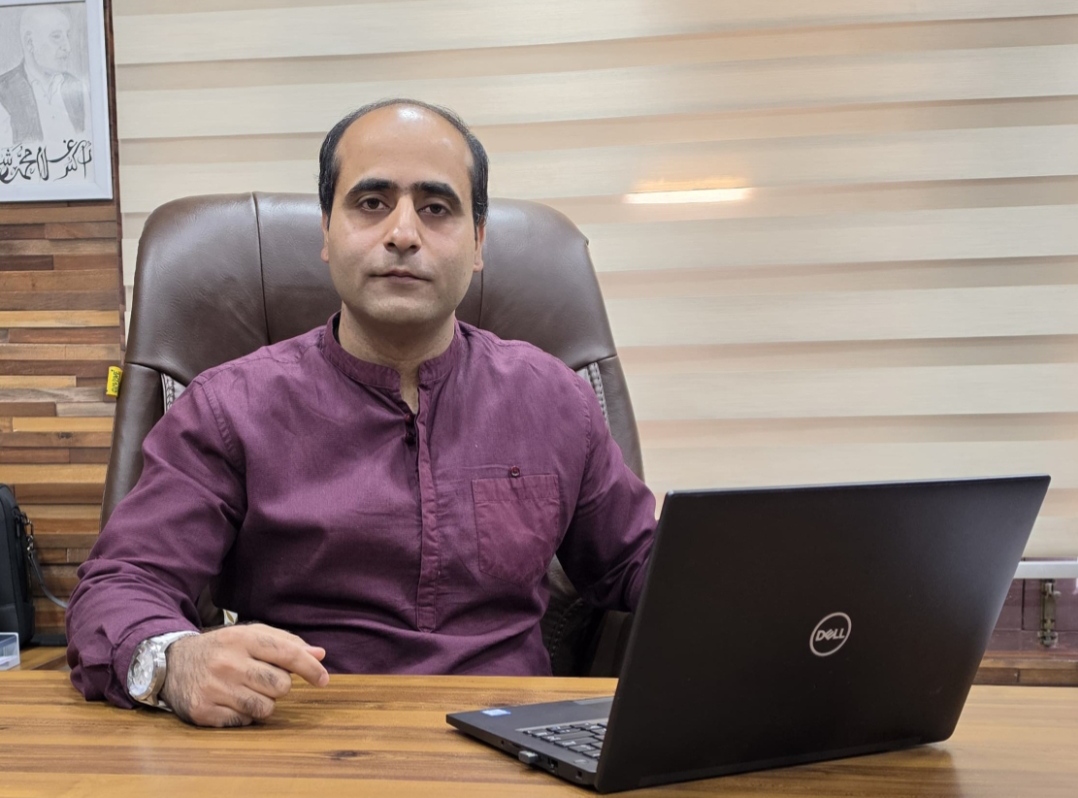
Dr Aamir Iqbal Lone
Infertility is defined as the inability to conceive after 12 months of regular, unprotected intercourse or after six months if the female partner is 35 years or older
It is emerging as an important public health concern in Kashmir. While conversations about maternal health, pregnancy care, and childbirth are common in our society, infertility remains surrounded by silence, stigma, and deep emotional pain. Thousands of couples across the Valley deal with this issue privately, often feeling isolated and misunderstood. Yet infertility is a medical condition, not a personal failure, and with awareness and timely intervention, most cases can be treated effectively.
Rising Prevalence and Changing Trends
Across India, infertility rates are increasing, affecting nearly 10–15% of couples of reproductive age. Kashmir reflects a similar trend and, in some pockets, the numbers appear even higher. Several factors contribute to this rise:
Increasing age at marriage
Delayed pregnancy planning, especially among young working couples
Stressful lifestyles
Higher prevalence of PCOS/PCOD, obesity, and thyroid disorders
Increased smoking and substance use among youth
Environmental factors unique to the region
These changes mirror global patterns, where modern lifestyles, chronic stress, and declining reproductive health are affecting both men and women. In Kashmir, socioeconomic instability, prolonged exposure to stress, and limited access to early reproductive health counselling further amplify the problem.
Male Infertility: A Significant and Often Ignored Component
Male infertility contributes to nearly 40–50% of all infertility cases. However, in Kashmiri society, men are often reluctant to seek evaluation due to stigma and cultural expectations.

Common causes include:
1. Low Sperm Count and Poor Motility
Increasingly diagnosed in young Kashmiri men, often linked to smoking, stress, sedentary lifestyles, and substance abuse. Even habits such as keeping a smartphone in trouser pockets for long periods may increase scrotal heat exposure.
2. Varicocele
A treatable condition where veins around the testis enlarge, increasing temperature and reducing sperm production. Surgical correction often significantly improves fertility outcomes.
3. Infections
Untreated urinary or reproductive tract infections, sexually transmitted infections, and chronic inflammation can damage sperm-producing structures.
4. Environmental and Occupational Exposure
Exposure to pesticides, prolonged kangri use near the groin, and high levels of air pollution may reduce sperm quality over time. Kangri-induced heat exposure is an under-discussed but culturally relevant risk factor. Although limited studies exist locally, increased testicular temperature is proven to temporarily reduce sperm count and quality.
5. Hormonal Imbalances
Low testosterone or disturbances in hormones such as LH and FSH can significantly impair sperm production.
Despite these treatable causes, many men avoid semen analysis, assuming infertility is a female issue. This delay prevents early diagnosis and treatment.
Female Infertility: Common but Treatable
Kashmiri women face several reproductive health challenges that contribute to infertility.
1. PCOS (Polycystic Ovary Syndrome)
One of the most common causes of infertility in the region. Women with PCOS often ovulate irregularly or not at all, leading to irregular, delayed, or absent menstrual cycles. Symptoms include weight gain, acne, excessive hair growth, male-pattern hair loss, and scanty or absent periods. With timely lifestyle changes and medical treatment, most women can conceive naturally.
2. Ovulation Disorders
Stress, weight changes, thyroid dysfunction, and prolactin abnormalities can disrupt ovulation. Most hormonal issues are reversible with treatment.
3. Tubal Blockage
Pelvic infections, including genital tuberculosis, and complications from previous surgeries can block fallopian tubes. Laparoscopy plays a vital role in diagnosis and treatment.
4. Endometriosis
Often underdiagnosed, particularly in young women with severe menstrual pain. It affects egg quality and can cause pelvic adhesions.
5. Age-Related Decline
Delayed marriages mean many couples attempt conception in their late 30s, when ovarian reserve naturally declines.
Environmental and Lifestyle Factors Unique to Kashmir
Long Winters and Sedentary Living: Reduced physical activity increases obesity and metabolic disorders.
Dietary Patterns: High-calorie, carbohydrate-rich diets with low fruit and vegetable intake contribute to hormonal imbalance.
Chronic Stress: Living in a conflict-affected region disrupts hormonal pathways involved in fertility.
Kangri-Related Heat Exposure: Prolonged exposure near the groin may impair sperm production; moderation and safer use are advised.
Psychological and Social Burden
Infertility carries a heavy emotional toll. Women often face blame and social pressure, while men struggle silently with shame. Couples experience:
Emotional distress
Marital strain
Social isolation
Financial burden of treatment
Supportive environments, reduced stigma, and open conversations greatly improve mental wellbeing and treatment success.
Available Treatment Options in Kashmir
Reproductive healthcare services have improved significantly in recent years, offering:
Ovulation induction
Hormonal therapy
Laparoscopic surgery
Varicocele repair
IUI for mild male factor or unexplained infertility
IVF/ICSI at multiple centres
Psychological counselling and lifestyle guidance
When Should a Couple Seek Help?
Medical evaluation is advised if:
1. Pregnancy has not occurred after one year of trying (six months if the woman is over 35)
2. The woman has irregular periods
3. The man has known testicular issues or low sperm count
4. There are two or more consecutive miscarriages
5. There is a history of pelvic infection, TB, or pelvic surgery
6. The couple feels anxious and seeks early counselling
Early evaluation improves success rates and reduces emotional distress.
The Way Forward
Infertility must be recognised as a medical condition—not a source of shame. Community-based awareness, school-level reproductive education, stigma reduction, and accessible fertility services can transform outcomes in Kashmir.
With compassion, awareness, and timely medical care, thousands of Kashmiri couples can achieve their dream of parenthood.
The author is a laparoscopic gynaecologist and obstetrician, working as a DNB faculty guide at SDH Kupwara.