The Changing Dynamics of the Doctor–Patient Relationship

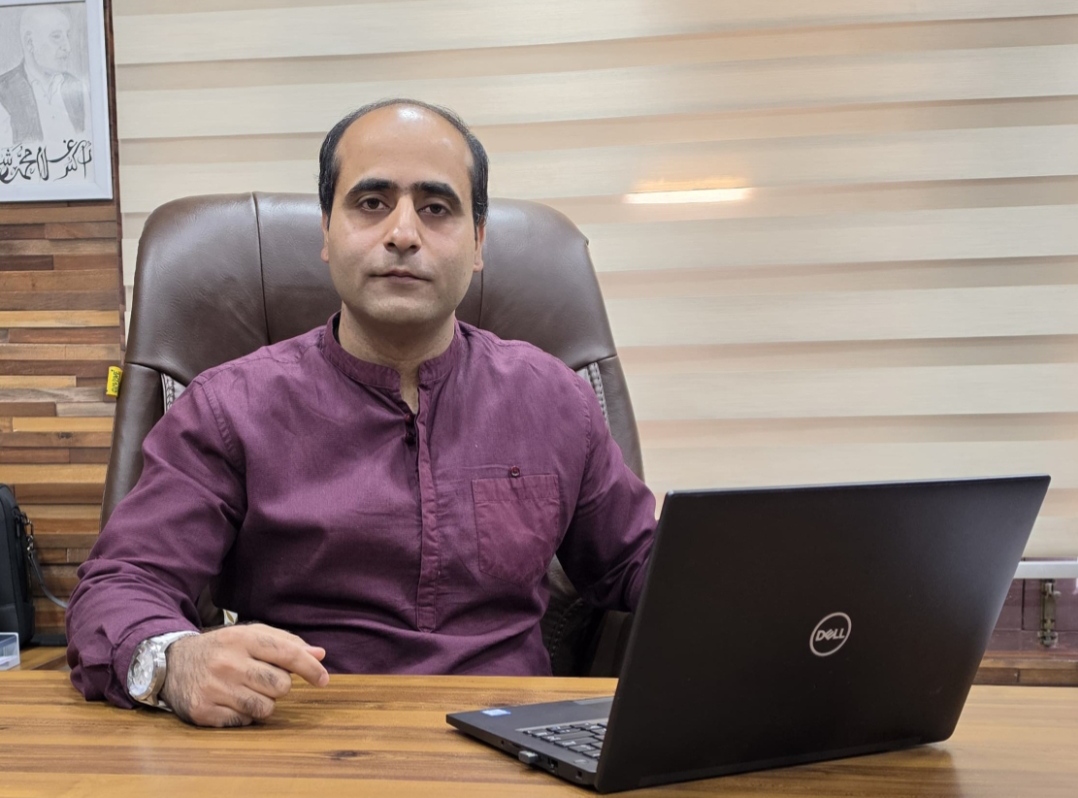
Dr. Javaid Bhat
Consultant Pediatrician
A relationship is built on trust and mutual respect, where both individuals understand and support each other. It is not about perfection but about a shared commitment to nurture the bond through good and difficult times. The same applies to the doctor–patient relationship, which has gradually weakened over time, leading to mutual dissatisfaction and loss of trust.
The unfortunate behavior of some patients towards doctors — ranging from verbal abuse and threats to physical assault — creates a high-stress environment, leading to burnout and lasting psychological trauma. A 2015 study by the Indian Medical Association found that over 75% of doctors in India have faced some form of workplace violence. Emergency departments and psychiatric units remain high-risk areas.
Patient aggression is a complex issue driven by multiple factors — including the patient’s condition, external stressors, and systemic flaws within the healthcare system. Pain, fear, long waiting times, high costs, and poor communication often fuel frustration. Moreover, sensationalized media reports and unrealistic expectations foster the belief that doctors can cure every illness. When outcomes are poor, patients or their families may lash out in anger.
At times, political interference and mob mentality aggravate these situations, causing fear, frustration, and even depression among medical professionals. Such stress can lead to burnout, post-traumatic stress disorder, and an increased risk of suicide. To protect themselves, some doctors resort to defensive medicine or avoid challenging cases, ultimately compromising the quality of care.
A weak doctor–patient relationship directly affects patient safety.
Many healthcare workers do not report abuse due to unclear protocols or the belief that it is simply “part of the job.” Declining communication skills have also made patients feel unheard or disrespected. Excessive use of medical jargon instead of simple language further widens this gap.

Historically, the doctor–patient relationship has evolved with societal changes and medical advancements. Four decades ago, it followed a paternalistic model — doctors made decisions while patients complied, guided by trust and faith. Limited medical awareness and access to information reinforced this hierarchy.
Today, patients have unprecedented access to health information through the internet, making them more informed and proactive. The relationship has shifted from a paternalistic model to a collaborative partnership, emphasizing shared decision-making and mutual respect. Electronic health records and online health resources have empowered patients, though misinformation online often creates confusion and self-misdiagnosis — a “double-edged sword.” Doctors now spend additional time correcting such misconceptions but, when managed well, it improves trust and adherence.
Systemic and technological changes have further strained this bond. Heavy workloads, time constraints, and institutional pressure prevent doctors from addressing all patient concerns. Fear of litigation has encouraged defensive medical practices, increasing costs and eroding trust. Overburdened healthcare systems and poor infrastructure worsen the problem, causing stress for both doctors and patients.
Ways to Improve the Doctor–Patient Relationship

Improving the doctor–patient relationship requires effort and understanding from both sides. Doctors must uphold high moral and ethical standards, treating every patient with honesty and accountability. Empathy plays a vital role — listening carefully to a patient’s words, tone, and emotions helps doctors understand not only the illness but also the person behind it. Genuine empathy can ease fear, reduce anxiety, and build a foundation of trust that often speeds up recovery.
Effective communication is equally essential. Doctors should use clear and simple language rather than medical jargon that confuses or intimidates patients. Explaining the diagnosis, treatment options, and associated costs transparently fosters confidence and cooperation. Along with communication comes reliability — being consistent, dependable, and respectful assures patients that their doctor truly cares about their well-being.
Another important aspect is respecting patient autonomy. Patients today are more informed and want to be part of the decision-making process. Involving them in discussions about treatment plans and respecting their choices strengthens mutual respect and understanding. Doctors should also remain sensitive to the cultural, social, and emotional backgrounds of their patients, tailoring communication to their level of awareness and comfort.
Conflicts and misunderstandings are inevitable in healthcare, but how they are handled defines the relationship. Addressing disagreements calmly, offering explanations rather than excuses, and being willing to say “sorry” when appropriate can go a long way in restoring faith. An apology does not imply guilt — it simply acknowledges the patient’s feelings and values the relationship over ego.
Lastly, gratitude should flow both ways. Patients must appreciate the dedication and effort that doctors invest, often under challenging conditions. Even a small gesture of thanks can make doctors feel valued and motivated. When both sides act with empathy, honesty, and mutual respect, the doctor–patient relationship can once again become a partnership built on trust, understanding, and care.