My Journey Was Purely Merit-Based, Not a Cakewalk: Dr. Shugufta Rather
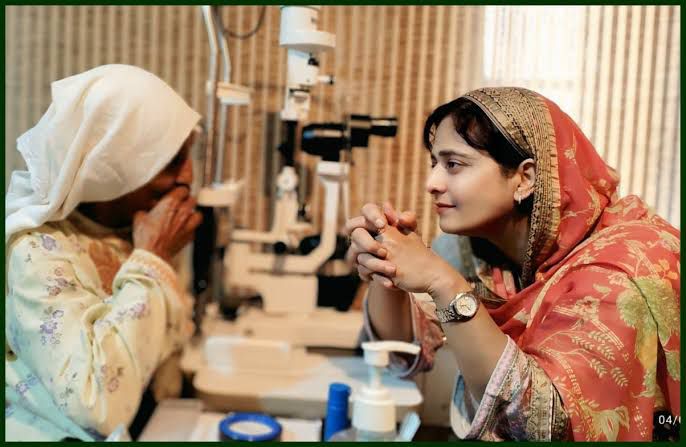
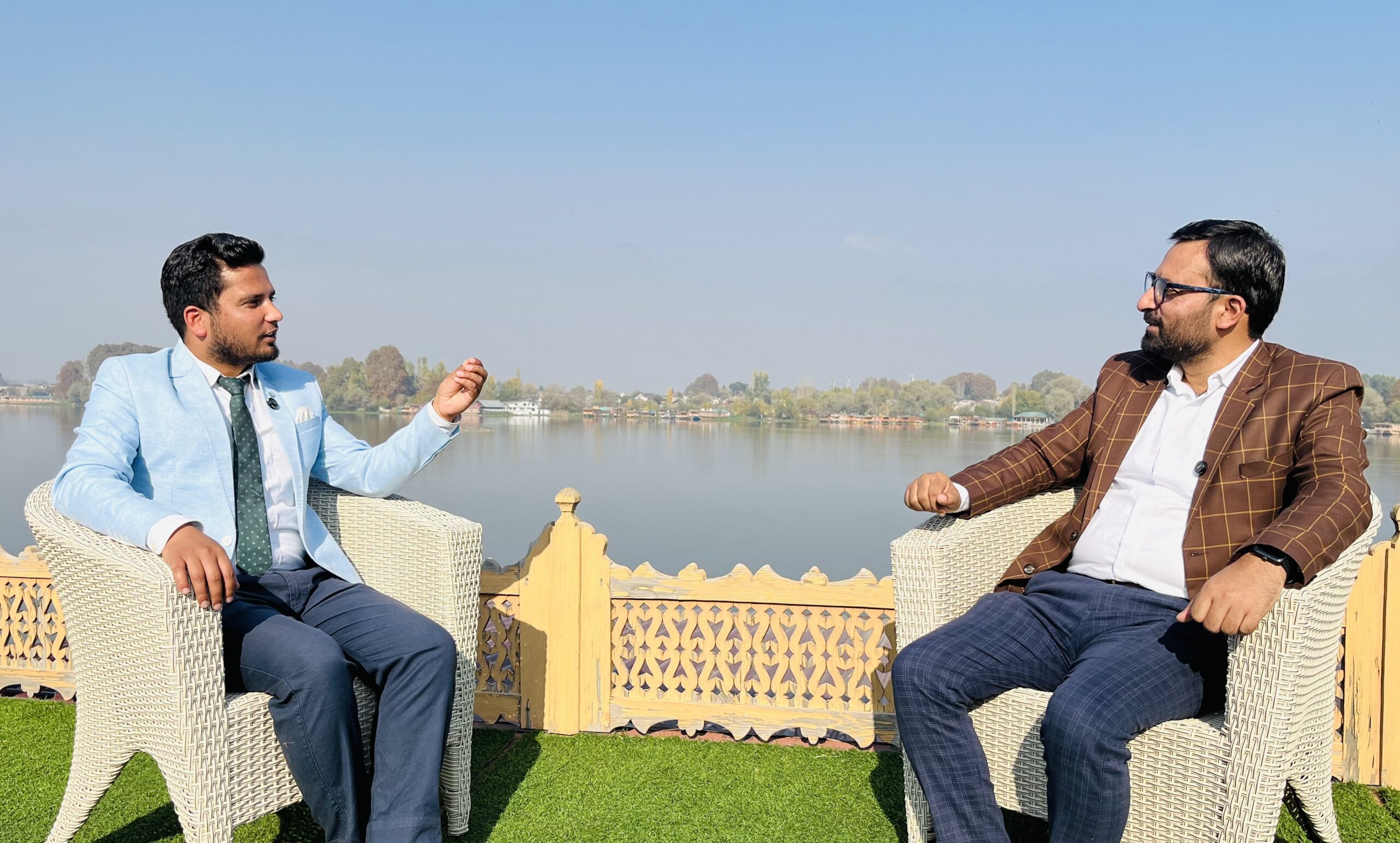
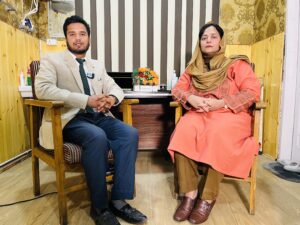
In this excerpt from the ‘Rubaroo’ interview series, Faizan Qureshi speaks with Dr. Shugufta Rather, Associate Professor, Department of Ophthalmology, Government Medical College (GMC), Srinagar, about her personal journey and eye health awareness.
Faizan Qureshi:
Doctor, childhood is a beautiful and memorable phase of life. When you look back, what kind of memories do you recall? How was your childhood?
Dr. Shugufta Rather:
It was truly beautiful. Those were peaceful times in Kashmir. We experienced a childhood that children today can hardly imagine—walking to school without fear or tension and travelling freely in buses and public transport. It was a playful, carefree, and innocent phase of life.
Faizan Qureshi:
When someone achieves success and a high position, there is often a silent struggle behind it. You come from a prominent political background—your father, Rahim Rather, has served as a minister. Did your background make your journey easier, or did you face struggles like others?
Dr. Shugufta Rather:
It was definitely not a cakewalk. I studied in government institutions and completed my MBBS from Government Medical College, Jammu, and my MS from Government Medical College, Srinagar. Admission to these colleges requires clearing highly competitive examinations, just like for any other student. I worked hard and went through the same struggles. There was no interference or recommendation from my father’s side. My journey was purely merit-based.
Faizan Qureshi:
You often mention your Gaash Eye Clinic as one of your major achievements. What makes it different from other clinics?
Dr. Shugufta Rather:
Most clinics are primarily associated with earning, which is completely fair—doctors provide services and charge for them. But Gaash is located in my native village, so money was never the priority. It is about self-satisfaction and giving back. I had been away from home for a long time, which made me realize the value of serving my own people.Gaash started nearly four years ago as a community clinic. We reach out to people, assess their problems, and try to help them at the grassroots level.
Faizan Qureshi:
Do you think people in our society are sufficiently aware of eye health? If not, how can awareness be improved?
Dr. Shugufta Rather:
Awareness is still lacking in many areas. Even in Srinagar, we see patients coming at very advanced stages of eye diseases. We constantly emphasize that eye check-ups should be as routine as general health check-ups—at least once a year.
Faizan Qureshi:
What more can be done to improve awareness on a larger scale?
Dr. Shugufta Rather:
Government support is crucial. Doctors alone cannot create mass awareness. While we can educate patients in clinics or during camps, large-scale awareness requires government initiatives, social media campaigns, and support from print and electronic media.
Faizan Qureshi:
Today, people spend a lot of time in front of screens, especially children and students. Since screen use is often unavoidable, how can one maintain good eye health?
Dr. Shugufta Rather:
Excessive screen time and healthy eyes do not go hand in hand. It is essential to take regular breaks and follow the 20-20-20 rule, especially when screen use is unavoidable. Consulting an eye specialist, using prescribed eye drops, and wearing protective glasses or screen filters can help. Screen use should be limited to necessity. Children often imitate adults, and excessive mobile use affects not only vision but also brain development, as recent research suggests. Therefore, screen usage must be carefully regulated, especially for children.
Faizan Qureshi:
In Kashmir, what are the most common eye diseases, and which patients do you see most frequently?
Dr. Shugufta Rather:
Cataracts and glaucoma are among the most common eye diseases we encounter. Glaucoma is often referred to as the “silent thief of vision” because it damages eyesight without showing early symptoms. Eye complications related to diabetes are also quite common, mainly due to a lack of awareness and delayed treatment.
Faizan Qureshi:
Why are diabetic patients at higher risk for eye diseases, and which conditions are they most susceptible to?
Dr. Shugufta Rather:
Diabetes weakens the body’s immunity, making the eyes more vulnerable to infections. Cataracts also tend to develop faster in diabetic patients. Most importantly, diabetic retinopathy—a condition that damages the retina—can lead to permanent vision loss or even blindness if not treated in time.
Faizan Qureshi:
Are you satisfied with the facilities available in government hospitals for eye treatment?
Dr. Shugufta Rather:
Overall, yes. We have facilities comparable to good private hospitals. However, government hospitals often face maintenance issues. New machinery may lack proper upkeep, and procurement processes are slow. Still, in terms of treatment quality, skilled manpower, and available specialties, we are on par with private institutions.
Faizan Qureshi:
How important are regular eye check-ups, especially in today’s lifestyle?
Dr. Shugufta Rather:
Regular check-ups are extremely important. Diseases like glaucoma are silent and often detected late, leading to severe vision loss. Early diagnosis significantly improves outcomes. Today, even preschool children are developing vision problems due to increased screen time and reduced outdoor activities. Children should undergo annual eye screenings, and adults should have their eyes examined at least once a year.
Faizan Qureshi:
There seems to be a growing gap in trust between doctors and patients. What are the reasons, and how can it be addressed?
Dr. Shugufta Rather:
Trust issues do exist. Doctors are often overworked, especially in emergency departments, where high patient loads and limited staff affect communication. At the same time, impatience from patients also plays a role. If both doctors and patients show more understanding, empathy, and patience, this trust gap can gradually be bridged.