Day 3 of 3rd J&K International Conference on Breast and Allied Cancers concludes with a strong call for institutional collaboration, cancer research and community-level screening
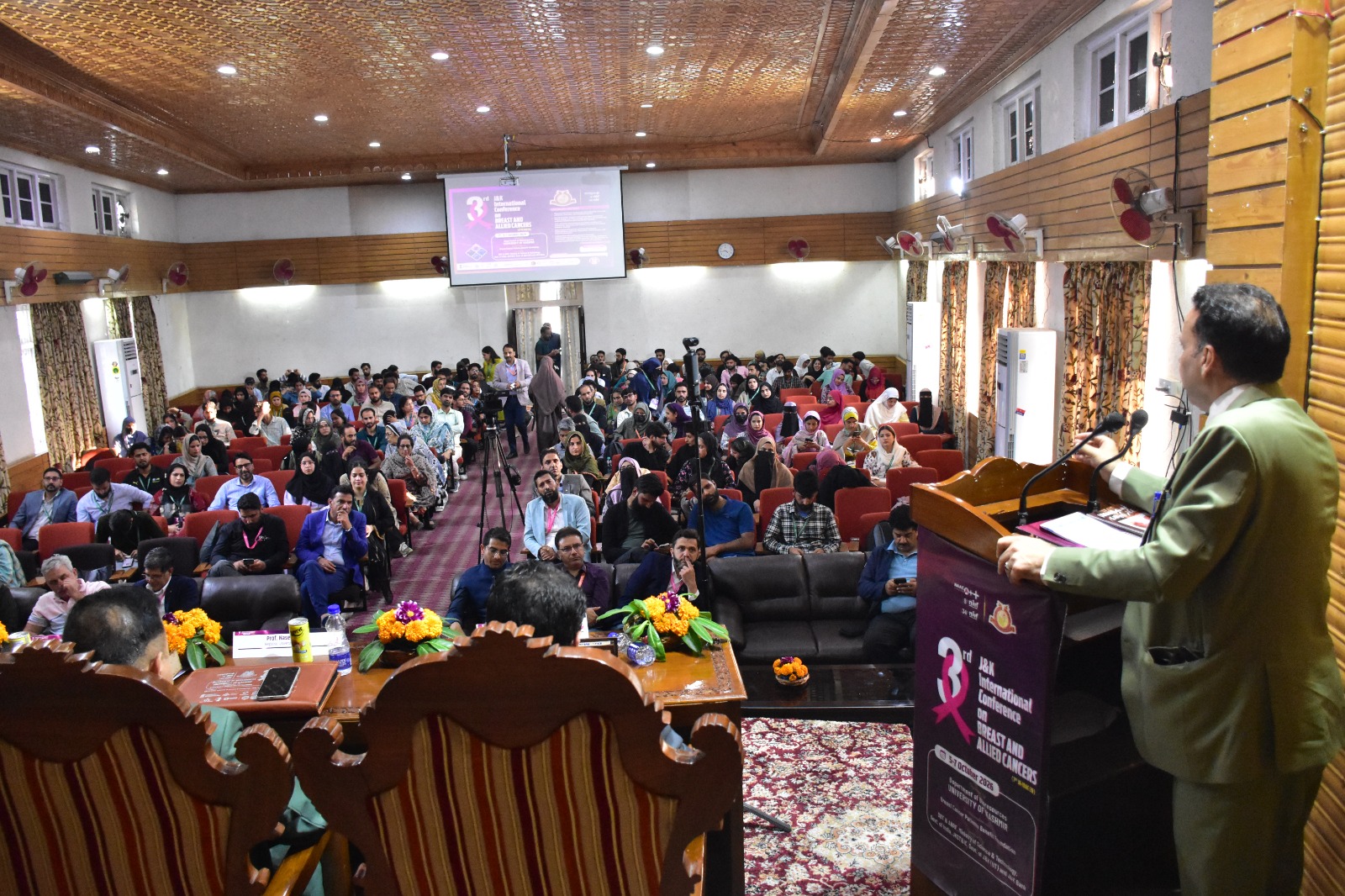
Srinagar: The third and concluding day of the 3rd J&K International Conference on Breast and Allied Cancers (JK-IBAC-2026) witnessed intellectually stimulating scientific deliberations, engaging lectures by eminent scientists and experts from Jammu and Kashmir and outside the Union Territory, and a thought-provoking valedictory session focusing on strengthening cancer research, institutional collaboration and early detection.
The scientific programme on the final day featured parallel sessions of lectures at Gandhi Bhawan, University of Kashmir, where eminent scientists and researchers delivered presentations on diverse and contemporary aspects of breast and allied cancers. The sessions provided a vibrant platform for exchange of scientific knowledge and ideas, with speakers highlighting recent advances in cancer biology, diagnostics, prevention, therapeutics and translational research.
The lectures were informative, engaging and thought-provoking, and generated considerable interaction among researchers, students, scholars, academicians, healthcare professionals and other participants. The sessions also underscored the growing importance of multidisciplinary approaches in tackling the complex challenges posed by cancer.
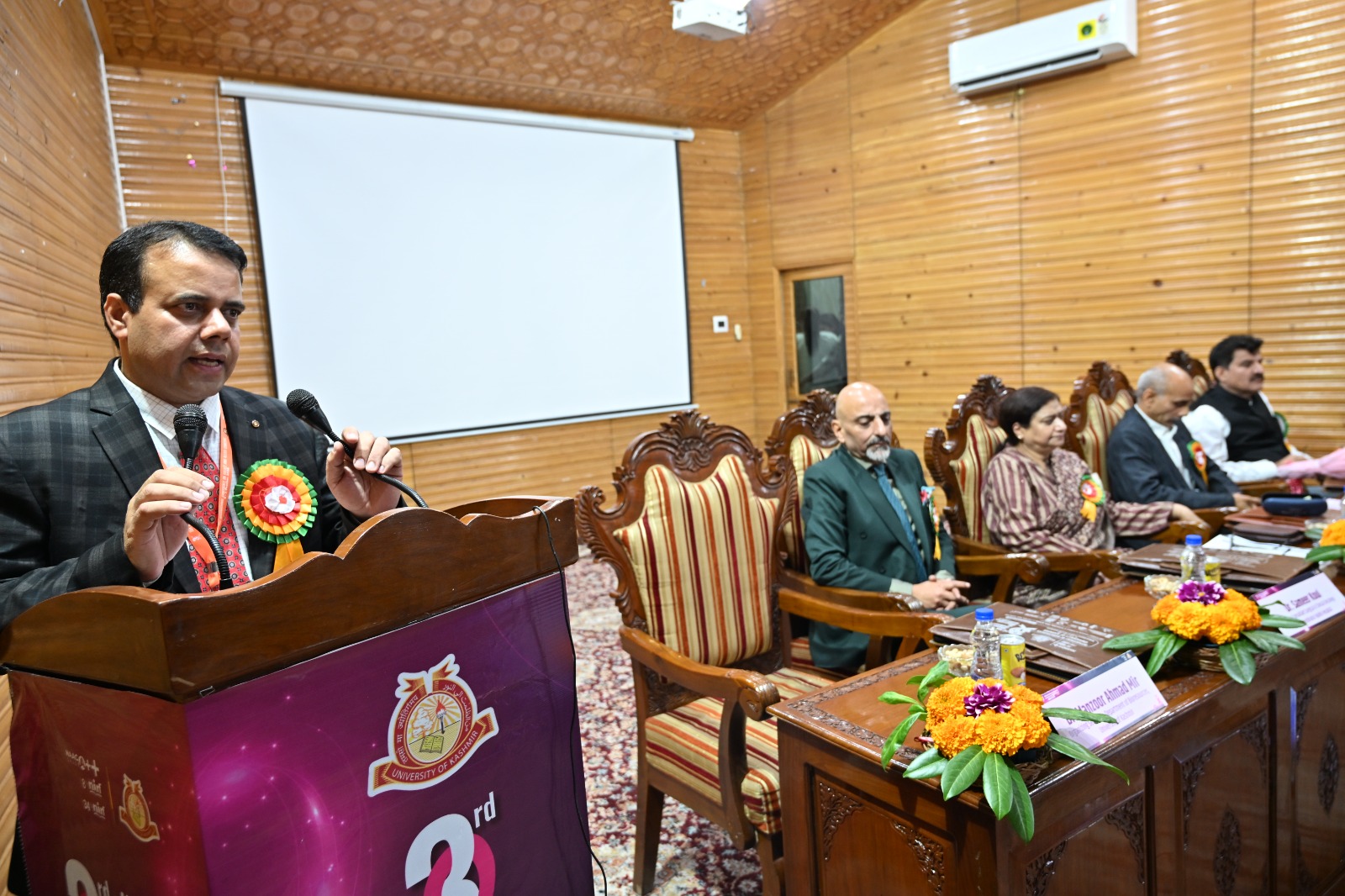
The conference culminated in a valedictory session held in the post-lunch session, which brought together senior academics, scientists, healthcare professionals, researchers and delegates. The valedictory session was headed by Dr. Mohd. Ashraf Ganai, Ex-officio Secretary, Sher-i-Kashmir Institute of Medical Sciences (SKIMS), and Nodal Officer, J&K Cancer Registry.
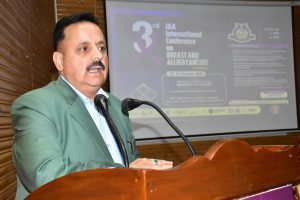
Addressing the gathering, Dr. Ganai emphasized the urgent need for stronger institutional-level collaboration among premier institutions of the Valley, particularly SKIMS and the University of Kashmir. He noted that meaningful progress in cancer research and patient care requires closer integration of academic institutions, research organizations and healthcare centres. He also called upon young researchers and scholars to devote themselves more passionately and consistently to cancer research, stressing that sustained scientific efforts are essential for understanding the disease and developing improved strategies for prevention, diagnosis and treatment.
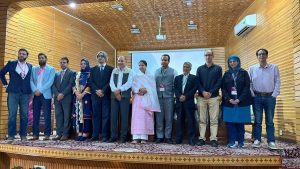
Speaking on the occasion, the Registrar, University of Kashmir, highlighted the importance of establishing and strengthening cancer screening and examination centres at the village and district levels. He emphasized that decentralization of screening facilities and early detection mechanisms could play a vital role in identifying cancer at an earlier stage and ultimately help reduce cancer-related morbidity and mortality. He stressed the importance of taking cancer awareness and screening services closer to communities, particularly in rural and underserved areas.
Mr. Aijaz Ahmad Ganai, one of the Valley’s eminent journalists, highlighted the significant role of the media in creating cancer awareness among the general public. He emphasized that newspapers, television, digital platforms and other forms of media can serve as powerful tools for disseminating scientifically credible information, promoting preventive practices, encouraging timely screening and helping dispel myths and misconceptions surrounding cancer. He called for greater collaboration between the scientific community and the media to ensure that authentic health information reaches people in an accessible and understandable manner.
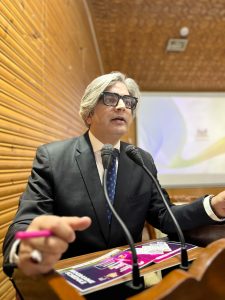
Prof. Fayaz Ahmad, Dean, School of Biological Sciences, University of Kashmir, stressed the importance of promoting greater collaboration between zoologists, biological scientists, oncologists and medical professionals to strengthen cancer-related research. He observed that cancer is a multifaceted disease and requires interdisciplinary expertise spanning basic biology, molecular research, clinical sciences, bioinformatics and translational medicine. Such collaborations, he noted, can facilitate the development of innovative research programmes and accelerate the translation of laboratory findings into meaningful clinical applications.
The valedictory session also reflected on the broader objectives of the conference, including creating a platform for scientific exchange, encouraging young researchers, promoting interdisciplinary research and strengthening linkages between academia, healthcare institutions and society. The speakers appreciated the participation of scientists, academicians, clinicians, researchers and students from different parts of the country and acknowledged the contribution of all those who helped make the conference a meaningful scientific forum.
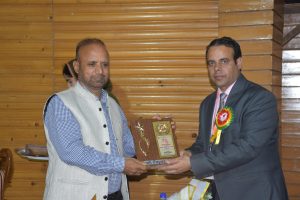
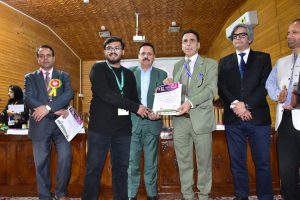
A major highlight of the concluding session was the distribution of prizes and awards for the best oral presentations and best poster presentations. The awards recognized the efforts of young researchers and scholars who presented their scientific work during the conference and encouraged them to continue pursuing innovative and impactful research in the field of cancer.
The three-day conference provided a valuable platform for deliberations on the rapidly evolving landscape of breast and allied cancers and highlighted the need for sustained efforts in research, prevention, early detection, screening, diagnosis, treatment and public awareness. The concluding discussions reinforced the message that reducing the burden of cancer will require not only advances in science and medicine but also coordinated efforts involving academic institutions, hospitals, government agencies, researchers, media and local communities.
The successful conclusion of JK-IBAC-2026 marked another important step towards strengthening the scientific and institutional ecosystem for cancer research in Jammu and Kashmir and creating greater opportunities for collaboration among researchers and healthcare institutions within and beyond the Valley.