
Why Oral Care Matters in Palliative Cancer Care
 Oplus_16908288
Sheikh Abrar
Oral health is an important but often overlooked part of palliative care.
As cancer progresses and patients approach the later stages of illness, oral problems can become increasingly common and may have a significant effect on comfort, nutrition, communication, and quality of life.
Patients receiving chemotherapy, radiotherapy, or other cancer treatments may experience mouth sores, dry mouth, fungal infections, dental decay, gum problems, altered taste, difficulty swallowing, oral pain, bad breath, and problems with dentures. Although these problems may appear minor compared with the underlying cancer, they can have a considerable impact on everyday comfort and dignity.
The main purpose of oral care in palliative patients is therefore to maintain comfort, prevent avoidable complications, support eating and communication, and improve quality of life.
COMMON ORAL PROBLEMS
Mouth Sores and Mucositis
Oral mucositis is a common complication of cancer treatment. Chemotherapy and radiotherapy can damage the delicate lining of the mouth, causing redness, swelling, soreness, and painful ulcers. Severe mucositis may make eating and drinking extremely difficult.
Gentle oral hygiene, adequate hydration, saline rinses, appropriate pain relief, and avoidance of irritating foods can help. Dentures should be removed if they cause irritation. When symptoms are severe, additional medical treatment may be required.
Dry Mouth
Dry mouth is particularly common among patients receiving palliative care. It may result from medications, dehydration, chemotherapy, radiotherapy, or reduced salivary gland function.
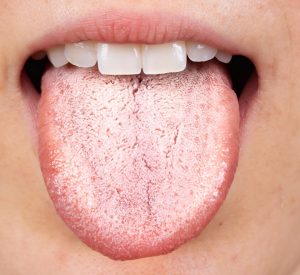
A dry mouth can make eating, swallowing, speaking, and sleeping uncomfortable. It can also increase the risk of dental decay and oral infections.
Simple measures such as frequent sips of water, ice chips, sugar-free chewing gum when appropriate, artificial saliva, and oral moisturising gels may provide relief. Alcohol-containing mouthwashes should generally be avoided because they may increase dryness and irritation.
Oral Thrush
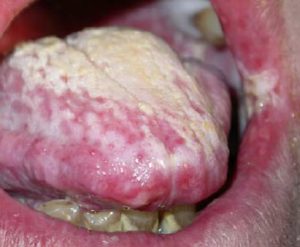
Oral candidiasis, commonly called oral thrush, can occur when immunity is reduced or when patients have dry mouth, poor oral hygiene, nutritional problems, or certain medication exposures.
Patients may develop white patches, soreness, burning, or changes in taste. Antifungal treatment may be prescribed when required. Good denture hygiene is also important because dentures can contribute to recurrent infection.
Oral Pain
Pain may result from ulcers, infections, dental disease, dry mouth, cancer, or cancer treatment. Because oral pain can interfere with eating, speaking, sleeping, and social interaction, it should be assessed and treated promptly.
Pain management should be individualized according to its severity and cause. The goal of palliative care is to maximize comfort while avoiding unnecessary or burdensome treatment.
Difficulty Swallowing
Difficulty swallowing can occur because of poor dentition, tooth loss, ill-fitting dentures, dry mouth, oral ulcers, infections, weakness, or advanced disease.
Where appropriate, dental problems and poorly fitting dentures should be addressed. Soft and moist foods may be easier for patients to chew and swallow, particularly when the mouth is painful or dry.
Nausea and Vomiting
Nausea and vomiting can occur during cancer treatment and advanced illness. Repeated vomiting exposes the teeth to stomach acid, which may contribute to enamel erosion and tooth sensitivity.
Good oral hygiene and appropriate management of nausea can help reduce these problems. After vomiting, gently rinsing the mouth with water can help remove acid from the oral cavity.
Nutrition and Oral Comfort
Oral health and nutrition are closely connected. Mouth pain, dryness, altered taste, nausea, dental problems, and difficulty swallowing may all reduce a person’s ability or desire to eat.
Small, frequent meals and soft, moist foods may be easier to tolerate. Foods that the patient enjoys can also make mealtimes more pleasant. Nutritional decisions in advanced illness should always consider the patient’s comfort, wishes, prognosis, and overall goals of care.
Maintaining Oral Hygiene
Basic oral hygiene remains important even when a patient is seriously ill. Teeth can be gently brushed with a soft toothbrush and fluoride toothpaste. If brushing becomes difficult, a smaller toothbrush or other suitable oral-care aid may be used.
Patients who cannot perform oral care independently may need assistance from family members, nurses, or other caregivers. The mouth should be checked regularly for ulcers, bleeding, swelling, infection, dryness, or other changes.
Dentures should be cleaned regularly and removed if they cause discomfort. A patient should not be forced to wear dentures when doing so causes pain or distress.
The Role of Caregivers
Caregivers have an important role in maintaining oral comfort. They may assist with brushing, rinsing, moisturizing the mouth, cleaning dentures, and observing changes in the oral cavity.
Most importantly, caregivers should understand that oral discomfort should not simply be accepted as an unavoidable part of advanced cancer. Many symptoms can be relieved with relatively simple measures.
Comfort, Dignity and Quality of Life
Palliative oral healthcare is ultimately about comfort and dignity. At the end of life, extensive dental procedures may not always be appropriate. Instead, treatment should be guided by the patient’s needs, wishes, prognosis, and overall goals of care.
A clean and comfortable mouth can make eating, drinking, speaking, and interacting with loved ones easier. Even simple measures such as moisturizing the mouth, treating infections, relieving pain, and maintaining gentle oral hygiene can make an important difference.
Conclusion
Oral healthcare should be an integral part of palliative cancer care. Problems such as mouth sores, dry mouth, fungal infections, dental disease, pain, altered taste, and swallowing difficulties can significantly affect a patient’s comfort and quality of life.
The goal is not necessarily extensive dental treatment.
It is to provide comfort, prevent avoidable complications, support nutrition and communication, and preserve dignity for as long as possible.
Dr. Sheikh Abrar, BDS, MDS
Consultant Oral & Maxillofacial Surgeon & Administrator
Ess Bee Medical Centre/Hospital, Kupwara